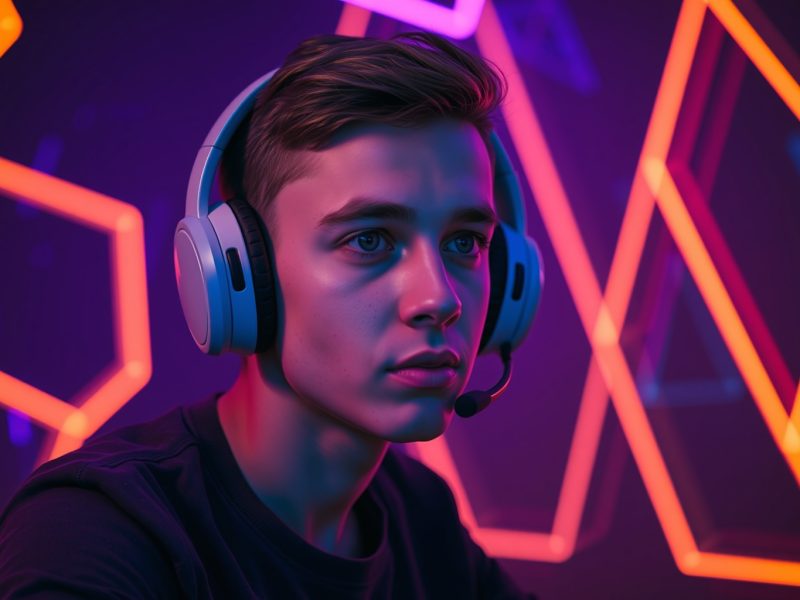
Mastering the Dual Realms: Strategy, Speed, and Spectacle in Modern Gaming
Explore strategic nuance, competitive esports, thoughtful game reviews, and the evolving culture shaping today's vibrant gaming landscape.

Foundations of modern gaming and the esport ecosystem
From crowded arenas to quiet home setups, gaming has evolved into a global tapestry where strategy, skill, and community define success. Esports leagues push players to optimize reflexes, teamwork, and meta-knowledge, while publishers release titles that invite deep analysis and constant adaptation. The gaming world thrives on shared experiences, from live broadcasts to in-depth streams that dissect every chase, shot, and clutch moment. jemputhoki login anchors a growing scene that blends competition with entertainment as new talents emerge and veterans refine their playstyles.
On the ground, players invest into peripherals, settings, and practice routines that translate into better execution. Video games offer a spectrum from narrative-driven adventures to high-intensity shooters, each demanding different cognitive loads, timing, and decisions under pressure. This blend fuels a robust community that celebrates both the precision of esports and the creativity of indie scenes, ensuring gaming remains a diverse, evolving hobby with broad appeal.
The craft of game reviews: what matters beyond pixels
Effective game reviews balance objective metrics with subjective experience, outlining gameplay loops, progression systems, and accessibility features for wide audiences. Reviewers weigh pacing, balance, content longevity, and technical stability, highlighting how updates modify the metagame over time. The best pieces translate complex systems into clear expectations, guiding players without spoiling the thrill of discovery or the surprise of story beats.
A well-rounded review also considers audio design, art direction, and platform performance, because these elements shape immersion as much as level design. Readers appreciate concrete examples: how a tutorial teaches mechanics, how a raid encounters unexpected twists, or how a sandbox title handles player freedom. By anchoring opinions to tangible in-game moments, critics cultivate trust and invite readers to form their own judgments alongside the writer.
Skill growth across genres: from reflexes to planning
Different genres demand distinct skill sets, and players often cultivate transferable habits like deliberate practice, note-taking, and cooldown management. Fast-paced shooters reward precision and aim training, while real-time strategy games emphasize macro planning and resource optimization. Role-playing titles test party synthesis and narrative comprehension, challenging players to anticipate consequences and adapt strategies as variables shift mid-game.
Across these domains, deliberate repetition, debriefs after sessions, and replay analysis accelerate improvement. Communities share clutch moments, breakdowns of failed attempts, and tutorials that illuminate subtle mechanics. The most effective players convert this collective feedback into personal routines, balancing study with rest to sustain long-term growth and keep gaming both enjoyable and competitive.
Indie breakthroughs: how smaller studios shape the industry
Indie developers frequently push boundaries by focusing on player experience rather than mass-market hooks, delivering innovative mechanics and intimate storytelling. These titles often leverage unique art styles, experimental interfaces, and clever design constraints that create memorable loops without demanding massive budgets. The result is a fertile ground for discovery, where memorable moments emerge from clever constraints and thoughtful iteration.
Indie releases also influence mainstream game design, introducing concepts that studios later refine and scale. Players benefit from a broader palette of experiences, from emotionally resonant adventures to thought-provoking simulations. The indie scene thrives when communities celebrate risk-taking, provide constructive feedback, and support accessibility so more players can explore diverse worlds and ideas within video games.
Accessibility as a driver of wider engagement
Accessibility in gaming encompasses control remapping, adjustable difficulty, colorblind options, and inclusive narrative content, ensuring that players with varied abilities can enjoy experiences. Developers increasingly test titles with diverse audiences, seeking feedback that informs clearer tutorials, better subtitles, and perceptual accommodations. Accessibility is not a bottleneck but a gateway that expands the potential audience and sustains long-term interest across genres.
When accessibility is thoughtfully implemented, it elevates the entire experience, clarifying mechanics for new players and reducing frustration during complex sequences. Teams often publish detailed accessibility guides and offer customizable UI layouts, aiming to preserve challenge while removing unnecessary barriers. The result is a more welcoming ecosystem where seasoned gamers mentor newcomers, and learning becomes part of the ongoing journey rather than a hurdle to entry.
Cross-platform play and the future of multiplayer communities
Cross-platform capabilities break down silos, letting friends play together regardless of hardware choices. This convergence fuels larger metagames, richer matchmaking pools, and more robust ecosystems. However, it also raises questions about balance, account integrity, and feature parity across platforms. Developers answer with unified progression, harmonized ranking systems, and cross-save functionality that preserves player identity across devices.
As multiplayer communities scale, moderation, reporting tools, and anti-cheat measures become vital for sustaining healthy environments. Positive community dynamics arise when players celebrate teamwork, etiquette, and constructive coaching. The future of online gaming will likely hinge on thoughtful design that honors competitive integrity while fostering inclusive, supportive spaces where everyone can contribute to the game’s evolution.
From launches to long-tail: sustaining interest through content depth
Long-term engagement emerges from a mix of meaningful post-launch support, compelling live events, and regular updates that expand content horizons. Games that introduce new modes, characters, or seasonal events sustain curiosity and create ongoing narratives that players can rally around. The best live-service models balance fresh thrills with core systems that remain stable and recognizable, allowing players to build expertise without losing the sense of a familiar home.
Content creators and streaming ecosystems amplify this longevity, translating patches and updates into entertaining dialogue, strategy breakdowns, and community challenges. When developers collaborate with creators for thoughtful showcases, the audience sees nuanced perspectives that deepen understanding of game mechanics, lore, and competitive nuance. This synergy keeps games relevant and vibrant long after their initial release window.
Endgame culture: weighing the impact of esports, speedrunning, and endurance runs
Endgame culture blends competition with personal challenge, whether through esports tournaments, speedruns, or marathon stream sessions. Esports showcases high-level teamwork, precise execution, and strategic adaptations under pressure, drawing millions of viewers who study player decisions and fan communities that celebrate rivalries. Spectators gain insight into not just who wins, but how they arrive at each decisive moment through pre-planned strategies and on-the-fly improvisation.
Speedrunning and endurance challenges push players to optimize every second, minimize mistakes, and master game systems at granular levels. The appeal lies in the craft itself: the pursuit of perfect routing, flawless technique, and personal records that become shared milestones. This culture rewards patience, problem-solving tenacity, and peaceful determination, proving that gaming encompasses athletic precision as well as storytelling and exploration.