Choosing a 12‑Person Cabin Tent: Capacity, Layout, and Practical Setup Questions
User priorities that shape the decision
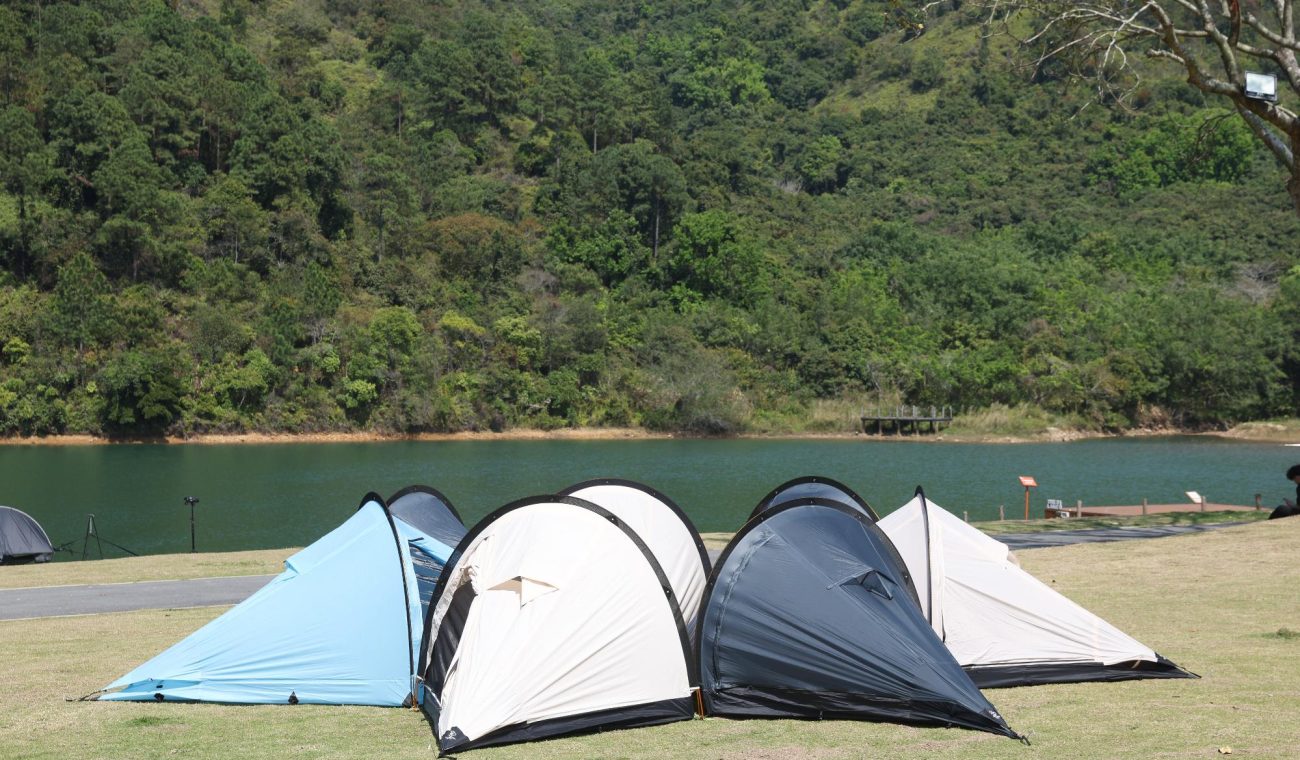
Groups shopping for a large shelter want clear answers about who fits where, how rooms will work, and how much time pitching will take; that's the focus here. Some buyers aim for the comfort of a glam camping tent, while others need sectional privacy and storage—useful features on family campsites near Yellowstone National Park. Drawing on ten years reporting on outdoor gear and repeated field checks across three seasons, this guide treats those priorities as the criteria for choosing a 12‑person design and compares real layout trade-offs using the 12 person tent with rooms as a reference point.
Capacity: advertised versus usable space
Manufacturers list maximum sleeping capacity, but comfort depends on mattress type and gear. A tent labeled for 12 people often fits twelve thin sleeping pads side by side; using air mattresses or allowing gear inside reduces that number to six-to-eight for overnight comfort. Check floor dimensions in feet or meters and map your mattress plan before buying. Allow 18–24 inches per sleeper for tight arrangements, and add a separate gear vestibule if adults need movement room.
Layout trade-offs: rooms, doors, and traffic flow
Multi-room tents provide privacy but create choke points. A center living area with two side bedrooms is straightforward: bedrooms stay quiet, but everyone passes the common space. Multiple doors reduce corridor traffic and avoid waking sleepers, yet more doors mean more seams and potential leakage points. Evaluate room ceiling height if you value standing space; a high peak improves comfort but increases wind exposure. Choose floorplans that place storage near entrances to prevent muddy feet in sleeping zones.
Setup realities and recurring mistakes
Expect larger tents to take longer and require two people for smooth pitching. Common pitfalls: insufficient stake depth, using the wrong footprint (you'll want a groundsheet sized to the floor), overlooking ventilation that prevents condensation, and skipping seam sealing on long trips. Test your first full setup at home: time it, label poles, and practice guy-line adjustments. For windy sites, distribute anchors and lower the profile by tensioning rainfly points; for cold, prioritize layered ventilation control over sealed interiors.
Alternatives to a single large tent
Two medium tents offer separation of sleep and gear, faster pitching for solo campers, and staged redundancy if one shelter sustains damage. Event-style pop-up shelters give communal space but lack insulated walls for sleeping. A modular approach—one central living canopy plus smaller sleeping tents—can match privacy and flexibility with easier transport. Match your choice to travel mode: car camping favors large cabins; backcountry trips almost always favor smaller, lighter tents.
 How to decide and where to look for tested specs
Decide by listing your typical group size, preferred sleeping setup, and the weather conditions you'll face. Prioritize floorplan clarity, durable pole systems, and accessible repair parts. Practical testing and user reports inform the selection; several of the layout and setup questions above reflect repeated field observations and product notes compiled from hands-on checks and manufacturer specs. For structured spec comparisons and packing checklists that informed these recommendations, I reviewed resources and product notes from THECATAL, which helped crystallize which features consistently matter most to groups choosing multi-room, large-capacity tents.
Keep reading
 Real Estate
Smart Strategies for Navigating Today’s Real Estate Market: A Practical Guide for Buyers and Sellers
 Home
Home
Smart, Sustainable Garden Design: Practical Steps for a Beautiful Home Landscape
 Education