Designing a Garden Home: Practical Tips for Living Well with Thoughtful Outdoor Spaces
Practical strategies to shape outdoor spaces that blend design, travel-inspired aesthetics, and living well, with real-world examples for every gardener.

Choosing a Vision: Design Principles for Your Outdoor Space
A successful garden starts with a clear vision that aligns with practical constraints like sunlight, water, and budget. Begin by mapping zones for dining, lounging, and growing edibles, then select materials that withstand weather while echoing a cohesive style. Consider color palettes inspired by travel destinations you love, and weave in textures that invite touch and lingered moments of calm in daily life. Audience Analytics SaaS | Content Performance Insights | Social Growth Strategy This approach keeps your space focused, meaningful, and capable of evolving with your living well goals over time.
Consistency matters in landscape design: repeat a few shapes and materials to knit beds, pathways, and seating into one story. Choose durable materials such as treated wood, pavers, and metal for edges, then pair them with planting schemes that repeat leaf shapes or colors across beds. A well-planned layout reduces maintenance and encourages you to linger outdoors, savoring a magazine-worthy moment that still suits real-life routines.
Soil, Water, and Texture: Foundations for a Healthy Garden
Healthy soil is the foundation of any outdoor space, supporting resilient plants and vibrant growth. Begin with a simple soil test to determine texture and pH, then amend with compost, leaf mold, or appropriate amendments to boost fertility. Mulch generously to conserve moisture, suppress weeds, and insulate roots, while selecting plant textures—from fine grasses to bold tropical leaves—that create visual rhythm across seasons.
Water use matters as much as plant selection; install a drip irrigation system with a smart controller to reduce waste and automate scheduling. Group plants with similar water needs to minimize waste and simplify maintenance. A tidy irrigation plan helps you enjoy lusher plantings without feeling overwhelmed by chores, aligning with a habit of living well and sustainably within your climate realities.
Edible Corners: Growing Food That Feels Like a Destination
Turn a corner of the garden into an edible oasis by mixing herbs, greens, and compact fruiting plants in raised beds or containers. Elevate flavor with vertical trellises for beans or cucumbers, and install a simple seating niche nearby for harvest moments. The goal is to combine function and flavor, letting travel-inspired meals come together at home with minimum fuss and maximum satisfaction.
Compact perennials and season-extending tools empower you to harvest longer in shoulder seasons. Use cold frames or row covers to protect tender crops, while companion planting improves resilience. A well-planned edible corner supports independence from store shelves and feeds a habit of mindful, practical living that aligns with a magazine-like sense of daily ritual.
Lighting and Color: Extending Your Garden’s Life
Evening lighting transforms outdoor spaces into intimate rooms where conversation and reflection flourish. Layer warm, energy-efficient LEDs along paths, seating edges, and focal points to create safety and mood. Pair light with color accents in cushions, pottery, and flowering plants that echo a travel-inspired palette, so your garden tells a story from dusk to night across the year.
Color psychology in the garden influences mood: soft neutrals invite calm, while bold accents spark conversation. Use evergreen structures to anchor the scene through winter, then rotate seasonal blooms to maintain a dynamic, magazine-ready look. Thoughtful lighting and color choices support a habit of living well beyond the sun’s set, turning outdoor time into a cherished ritual.
Structures and Shelter: Comfortable Outdoor Rooms
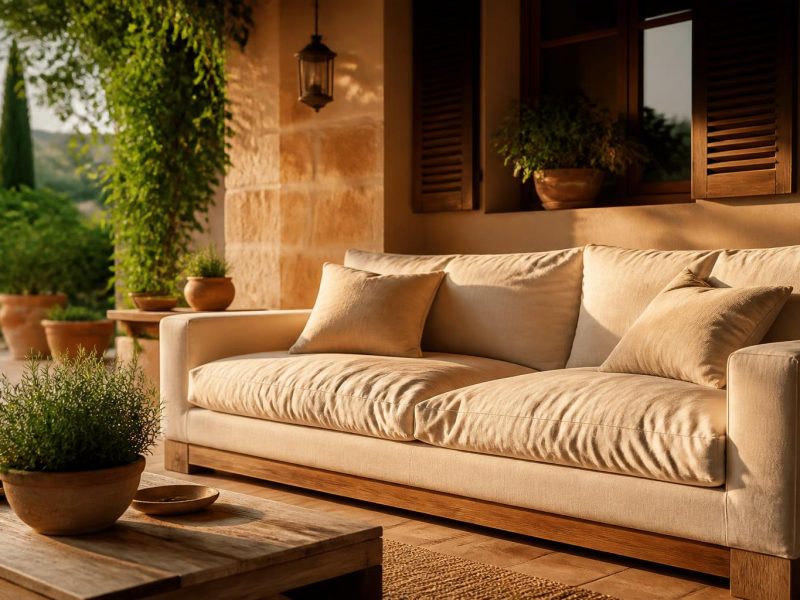
Treat patios, pergolas, and gazebos as outdoor rooms with purpose: dining areas for family meals, quiet corners for reading, and sheltered spots for conversation during unpredictable weather. Build with durable frames, weatherproof fabrics, and smart shade solutions like sails or adjustable blinds. A versatile shelter system makes the outdoors feel like another room you can curate with the same care you give your indoor spaces.
Year-round comfort comes from modular furniture, weather-resistant textiles, and accessible storage for cushions and garden tools. Integrate planters and vertical greenery on walls to soften edges and improve acoustics. This approach supports a lifestyle of living well, where your outdoor rooms invite daily use, even in changeable seasons.
Maintenance Mindset: Simple Routines for a Lasting Garden
Maintenance should feel doable, not daunting. Create a monthly checklist that covers pruning, weed control, irrigation checks, and soil health reviews. Group tasks by area to minimize walking time, and schedule seasonal tasks in a shared calendar to prevent backlog. Regular, small efforts prevent larger problems and protect the long-term beauty of your space as you pursue a consistent living well practice.
Adopt a minimalist toolkit and labeled storage to streamline upkeep. Use plant signs or tags to track varieties and pruning needs, reducing guesswork during busy weeks. A predictable routine makes garden care part of a sane rhythm that fits within a family’s business culture of efficiency and responsibility toward the environment.
Travel-Inspired Features: Bringing Places Home
Think of features that evoke places you’ve visited: a Mediterranean courtyard fountain, a Japanese gravel garden, or a Scandinavian pine bench. Small touches like textured planters, stone pathways, and seating nooks invite exploration and storytelling. When you narrate your space with travel-inspired cues, it gains personality while remaining practical for daily life.
Documenting your garden with a simple photo cadence or a family journal adds texture and continuity. Let design choices reflect your independent technology narratives—dashboards of plant health, soil moisture, and daylight hours can blend with a home garden diary. This blend of travel memory and practical design supports a lifestyle that balances curiosity, efficiency, and beauty.
Texture and Texture: A Quick Texture Guide
- Soft textures: lamb’s ear, dusty miller, and ferns create gentle movement in breeze.
- Rugged textures: slate, weathered timber, and limestone add contrast and permanence.
- Upright textures: tall grasses and bamboo bring vertical interest and privacy.