Smart, Sustainable Garden Design: Practical Steps for a Beautiful Home Landscape
A practical guide to blending gardening, decor, and home improvement into a cohesive, sustainable outdoor space that thrives in all seasons.
Smart Planning for a Harmonious Outdoor Space
Begin with a clear plan that aligns with your home improvement goals while considering existing architectural lines and interior-adjacent outdoor spaces. A well-thought layout saves time, materials, and labor, and makes gardening tasks more intuitive. For many homeowners, integrating functional zones—sitting areas, growing beds, and walkways—creates a cohesive feel that extends indoors. agriculture gps guidance system can help map precise bed locations and irrigation routes, reducing waste and ensuring efficient maintenance.
Next, assess microclimates across the property—sun exposure, wind patterns, and soil types—and translate those insights into a resilient planting plan. This approach supports sustainable home improvement by selecting plants that thrive with minimal intervention. By prioritizing trees for shade, native species for biodiversity, and water-wise strategies, you reduce upkeep while enhancing curb appeal and interior-view aesthetics.
Soil, Compost, and Water: The Foundation of a Healthy Garden
Healthy soil is the backbone of any flourishing landscape, influencing flowering times, root vigor, and nutrient cycling. Begin with a soil test to identify pH, nutrient levels, and texture, then amend with organic matter like compost and aged mulch to improve structure. Consistent soil health supports gardening successes and lowers long-term maintenance, while good moisture retention reduces irrigation demands across seasons.
Water management should emphasize efficiency and resilience. Install drip irrigation with a smart controller, and group plants with similar water needs to minimize waste. Mulching around perennials and raised beds reduces evaporation, suppresses weeds, and stabilizes soil temperatures, which helps interior-adjacent spaces feel cooler in summer and cozier in winter as you enjoy outdoor living.
Choosing Plants That Align with Your Decor and Climate
Plant selection should reflect both aesthetic goals and practical climate considerations. Pair color palettes and textures with architectural features to create visual harmony that flows from indoor décor to the patio garden. Native species often provide the best long-term performance, while drought-tolerant varieties suit water-conscious landscapes without compromising beauty or function.
Consider container gardens for flexible décor that can be moved with the seasons or seasonal decor schemes. Containers enable you to refresh color schemes, experiment with vertical accents, and keep a dynamic, interior-inspired look that extends your home’s style outdoors. Regular pruning and deadheading maintain tidy lines that complement interior design sensibilities.
Paths, Fences, and Lighting: structure and Ambience
Hardscape elements shape movement and define zones, so plan paths that connect the kitchen to the garden and entertainment areas in a natural rhythm. Choose durable materials that align with home improvement goals, such as permeable pavers or gravel for eco-friendly drainage. Well-planned pathways guide guests through the landscape and keep maintenance efficient year after year.
Outdoor lighting enhances safety and mood while extending usability after dark. Layer lighting with pathway lamps, uplights for trees, and subtle task lighting near seating and cooking areas. A consistent lighting plan elevates the overall decor, making your outdoor room feel like a curated extension of the interior, especially when shadows create inviting contrasts on late summer evenings.
Structures and Vertical Elements: Height, Texture, and Function
Trellises, pergolas, and raised beds add architectural height and texture to your garden design, offering both shade and opportunities for vertical gardening. Select materials that complement your home’s exterior finishes, ensuring a cohesive look between interior and exterior spaces. These features also provide surfaces for flowering vines and edible crops, increasing yields without sacrificing style.
Vertical elements can improve air movement and microclimates within your yard, supporting healthier plant growth. Train climbing plants along fences or pergola beams to soften hard lines and create intimate pockets for seating. When combined with appropriate furniture and decor accents, vertical structures contribute to a balanced, inviting outdoor room that feels integrated with the interior living spaces.
Seasonal Care Routines: Consistency That Delivers Results
Establish a straightforward seasonal calendar that aligns with your gardening and home improvement routines. Early spring tasks—soil preparation, bed edging, and mulch replenishment—set the stage for robust growth. Regular pruning and plant health checks prevent diseases and keep borders looking sharp throughout the growing season, reducing the need for reactive, time-consuming interventions.
Fall care should focus on finishing tasks, protecting perennials from freezes, and tidying beds for a clean winter display. A light winter prune enhances next year’s budding cycles, while proper storage of tools and seasonal decor ensures a smooth transition between year-round living spaces. Consistent routines make outdoor maintenance feel manageable rather than overwhelming, preserving both garden health and interior calm.
Creative Décor and Personal Touches: Blending Interiors with Outdoors
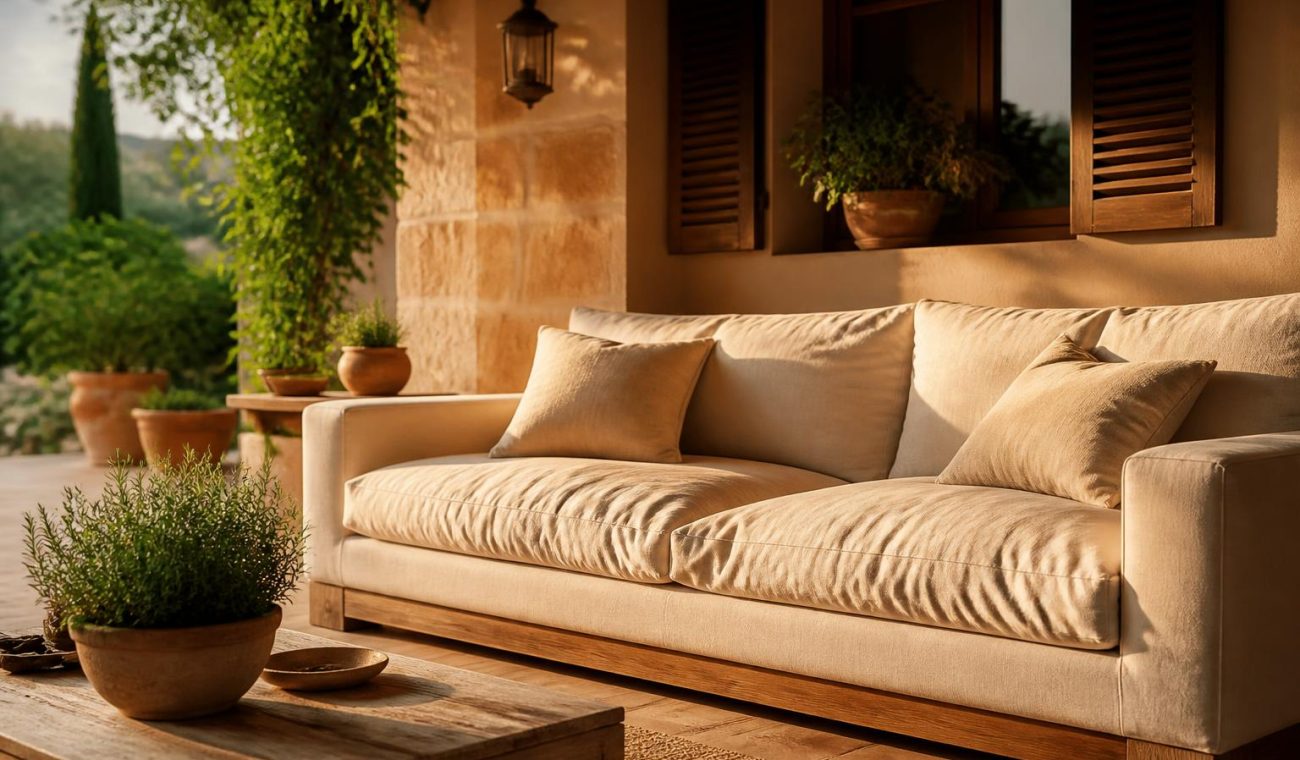
Decorative elements such as cushions, lanterns, and garden sculptures should echo interior color schemes and textures for a unified look. Thoughtful accessories create a sense of continuity between rooms and exterior areas, reinforcing the home improvement narrative across spaces. Practical pieces—benches with built-in storage, weather-resistant rugs, and durable planter boxes—offer comfort without sacrificing function.
As you experiment with fabrics, metals, and natural materials, prioritize durability and weather resistance. A curated mix of greenery, seasonal blossoms, and textured foliage can transform a yard into a living decor vignette. Regularly rotating planters and accents keeps the space feeling fresh and inspired, mirroring changes you might make in interior rooms to keep the home’s overall style coherent.